
3. Lombrices / Earthworms
¿Sabíais que Darwin tenía una fascinación casi poética por las lombrices?
Sí, Charles Darwin, el científico que escribió la teoría de la evolución. Él llegó a decir que "no hay otros animales que hayan hecho más por la historia del mundo, en relación con la fertilidad de la tierra”. Y eso lo escribió en su último libro, allá por 1881, titulado La formación del mantillo vegetal por la acción de las lombrices.
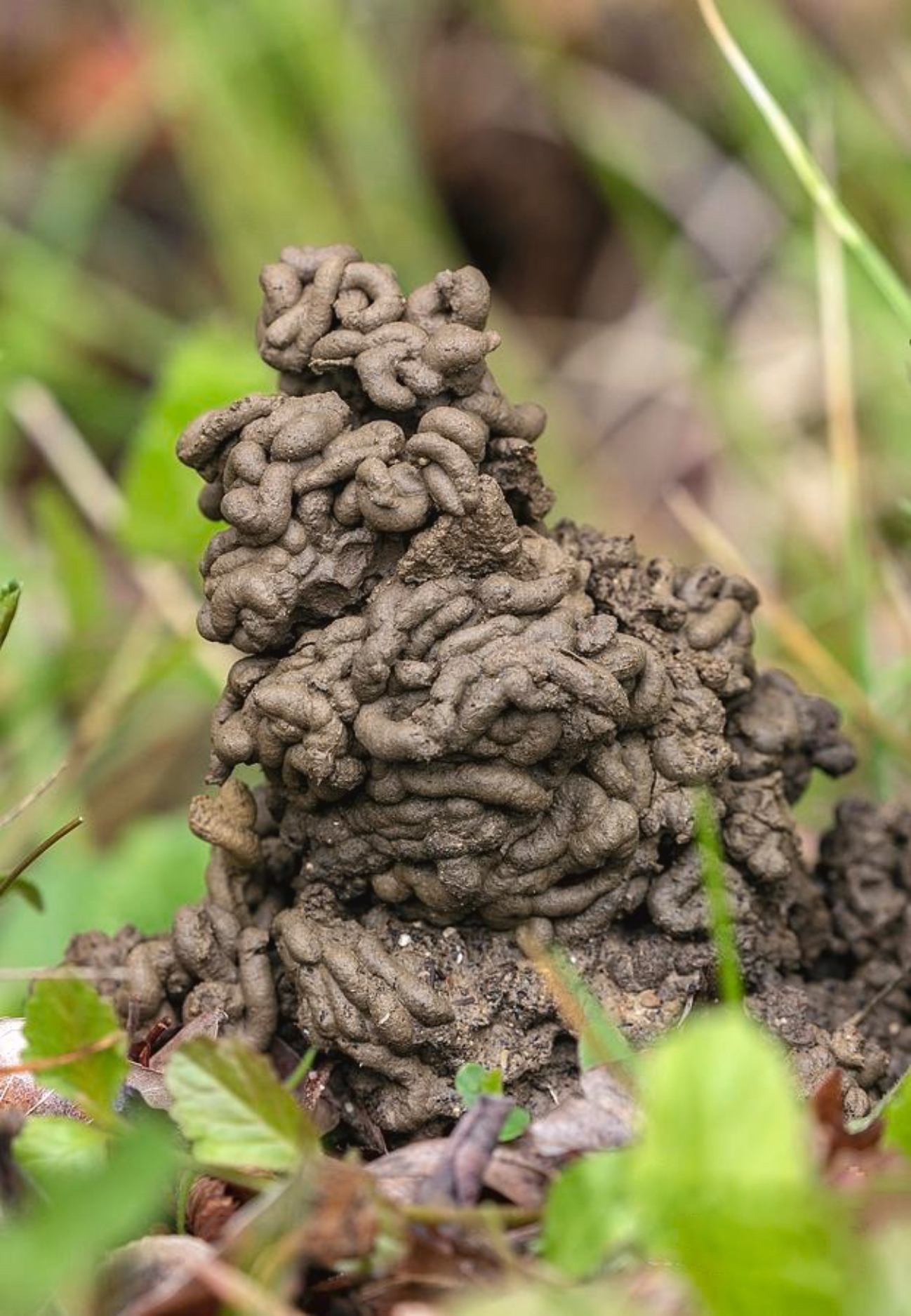
Curiosamente observó algo increíble: que esas pequeñas criaturas, al digerir hojas, ramas y restos vegetales, generaban una capa fértil de humus que transformaba lentamente el paisaje… ¡centímetro a centímetro!
Lo más bonito es que Darwin comparó ese trabajo minúsculo pero constante con el de los corales. Él imaginaba que así como los corales van formando atolones y arrecifes milímetro a milímetro, las lombrices hacen lo suyo bajo nuestros pies: creando un suelo poroso y rico en minerales, donde el agua entra, las raíces crecen y la vida se expande.
Organismos pequeñitos… pero con un impacto enorme eh!. Casi invisibles, pero capaces de moldear la Tierra a lo largo del tiempo.
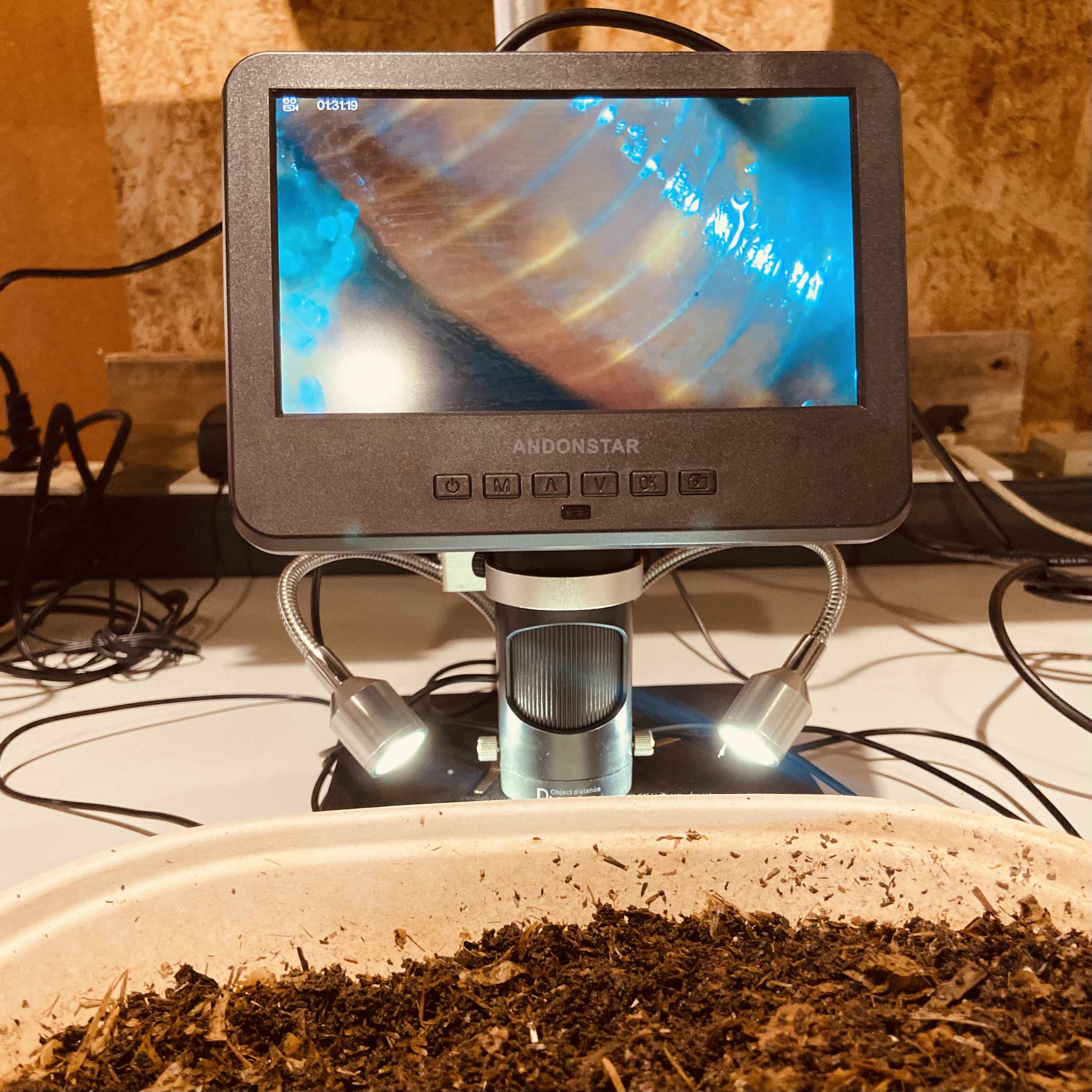
La cuestión es ¿sería posible una transformación así en las ciudades? ¿Podrían las lombrices ayudarnos a regenerar los suelos urbanos?
Creemos que sí, pero primero tenemos que conocerlas un poco.
Las lombrices son anélidos, unos invertebrados segmentados que viven, por lo general, en suelos oscuros, húmedos y llenos de materia orgánica. Es por eso que de las más de 7.000 especies que se conocen en el mundo, solo unas pocas sirven para el compostaje urbano.
Por ejemplo, la Eisenia fetida —también llamada lombriz roja californiana— o su prima la Eisenia andrei son las más utilizadas en vermicomposteras domésticas.
Y si hablamos de torres de lombrices enterradas en el jardín, entonces hay que pensar en especies como la Lumbricus terrestris, que tiene una habilidad especial para excavar túneles profundos y así resguardarse del calor o el frío.
Eso es clave, porque las lombrices no se llevan bien con el calor extremo ni con la luz directa. Por eso, en verano, si usamos una vermicompostera, habrá que buscar soluciones para mantenerlas fresquitas.
¿Y cómo se hace eso? Bueno… eso lo veremos en el próximo capítulo.
¡No se lo pierdan!
***English version***
Did you know that Darwin had an almost poetic fascination with earthworms?
Yes, Charles Darwin. The one of evolution.
Yes, he went so far as to say that "there are no other animals that have done more for the history of the world, in relation to the fertility of the soil".
And he wrote that in his last book, back in 1881, entitled “The formation of vegetable mould through the action of worms with observations on their habits”.
Curiously, he observed something incredible: that these little creatures, by digesting leaves, branches and plant remains, generated a fertile layer of humus that slowly transformed the landscape... centimetre by centimetre!
The beauty of it is that Darwin compared this miniscule -but constant- work to that of corals. He imagined that just as corals form atolls and reefs millimetre by millimetre, earthworms do the same under our feet: creating a porous, fertile soil where water enters and roots grow and life expands.
Tiny organisms, yes, but with an enormous impact. Almost invisible, but capable of shaping the Earth over time.
The question is, would such a transformation be possible in cities, and could earthworms help us to regenerate urban soils?
We think so, but first we need to get to know them a little.
Worms are annelids, segmented invertebrates that generally live in dark, moist soils full of organic matter. That is why of the more than 7,000 known species worldwide, only a few are suitable for urban composting.
For example, Eisenia fetida -also called Californian red worm- or its cousin Eisenia andrei are the most commonly used in domestic vermicomposting.
And if we are talking about worm towers buried in the garden, then species such as Lumbricus terrestris, which has a special ability to dig deep tunnels to shelter from heat or cold, are the ones to think of.
This is key, because earthworms don't do well in extreme heat or direct light. So, in summer, if you use a vermicompost, you will have to find solutions to keep them cool.
And how do you do that? Well... we will see that in the next chapter, don't miss it!
 Powered by