
7. Biomateriales / Biomaterials
En este capítulo contaremos cómo nos están ayudando en el Fab Lab de Sevilla a repensar el humus que sobra como material de construcción. Pero, antes de nada, ¿sabéis que es el FabLab?
El FabLab de Sevilla es un nodo de una red internacional que surgió con una potente idea: democratizar la fabricación. Que cualquier persona, en cualquier parte del mundo, pueda diseñar y fabricar localmente casi cualquier cosa… con herramientas accesibles y en red.
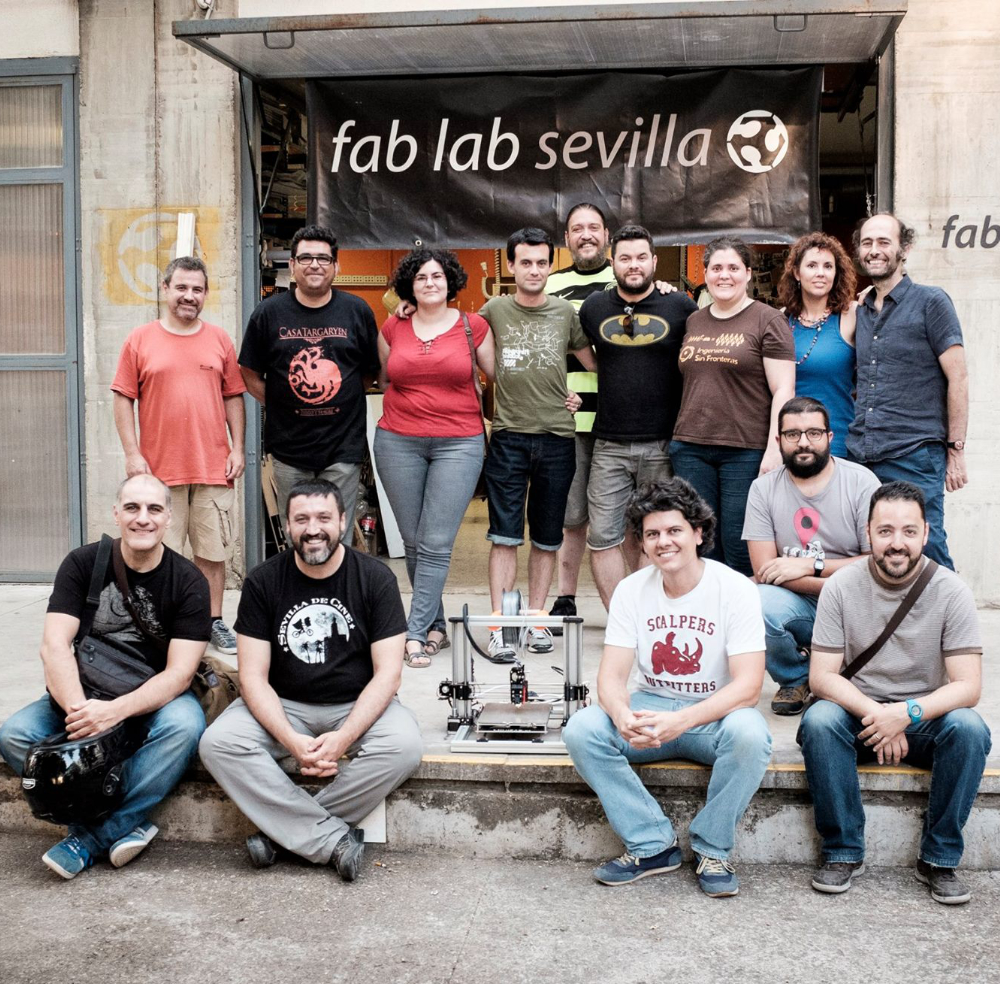
En Sevilla, esa visión empezó a tomar forma gracias al profesor José Pérez de Lama, quien impulsó el primer Fab Lab en una universidad pública andaluza. Desde entonces, muchas personas han enriquecido el proyecto como Juan Carlos Pérez Juidias, José María Sánchez Laulhé… y más recientemente, Adriano Jiménez, que lo está llevando al barro.
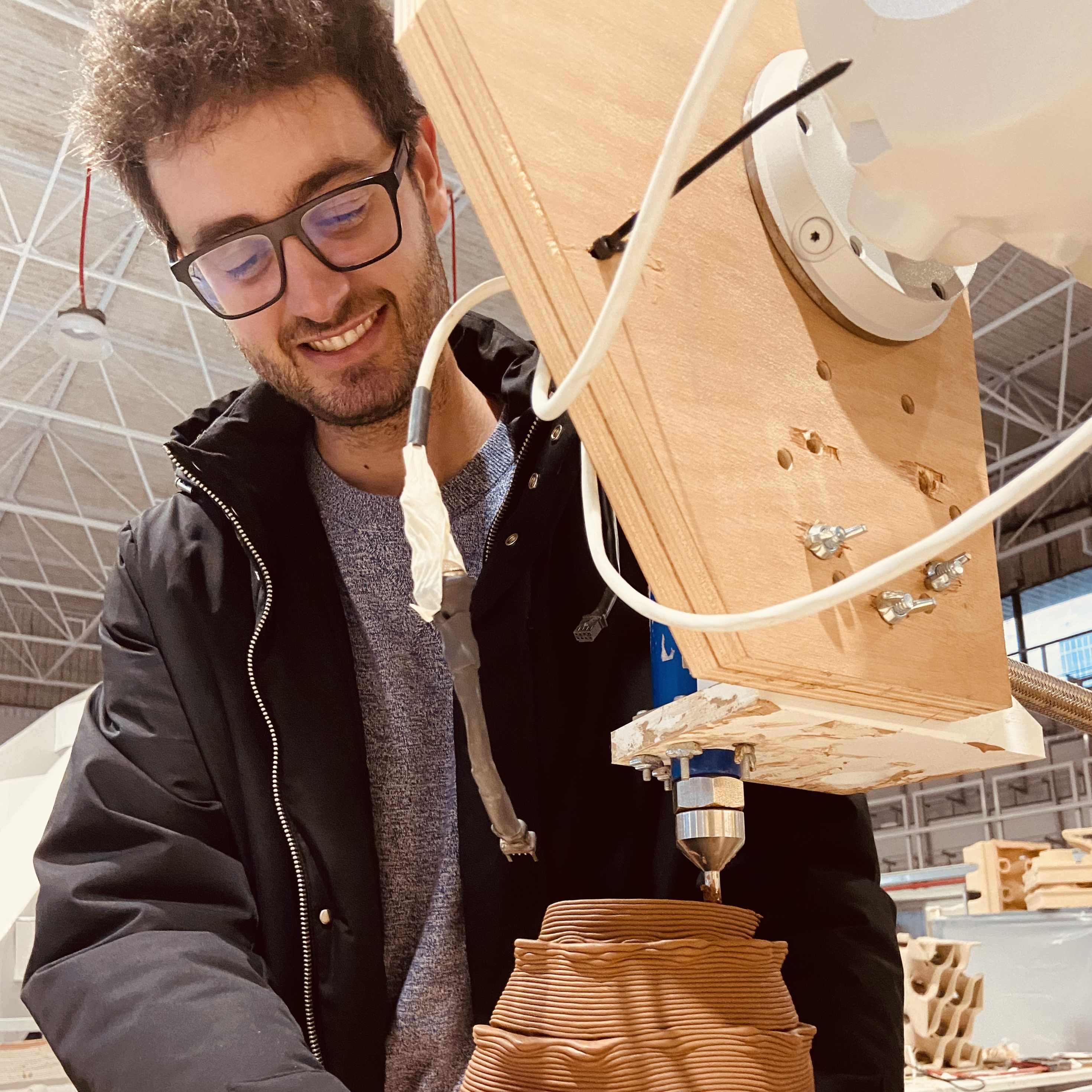
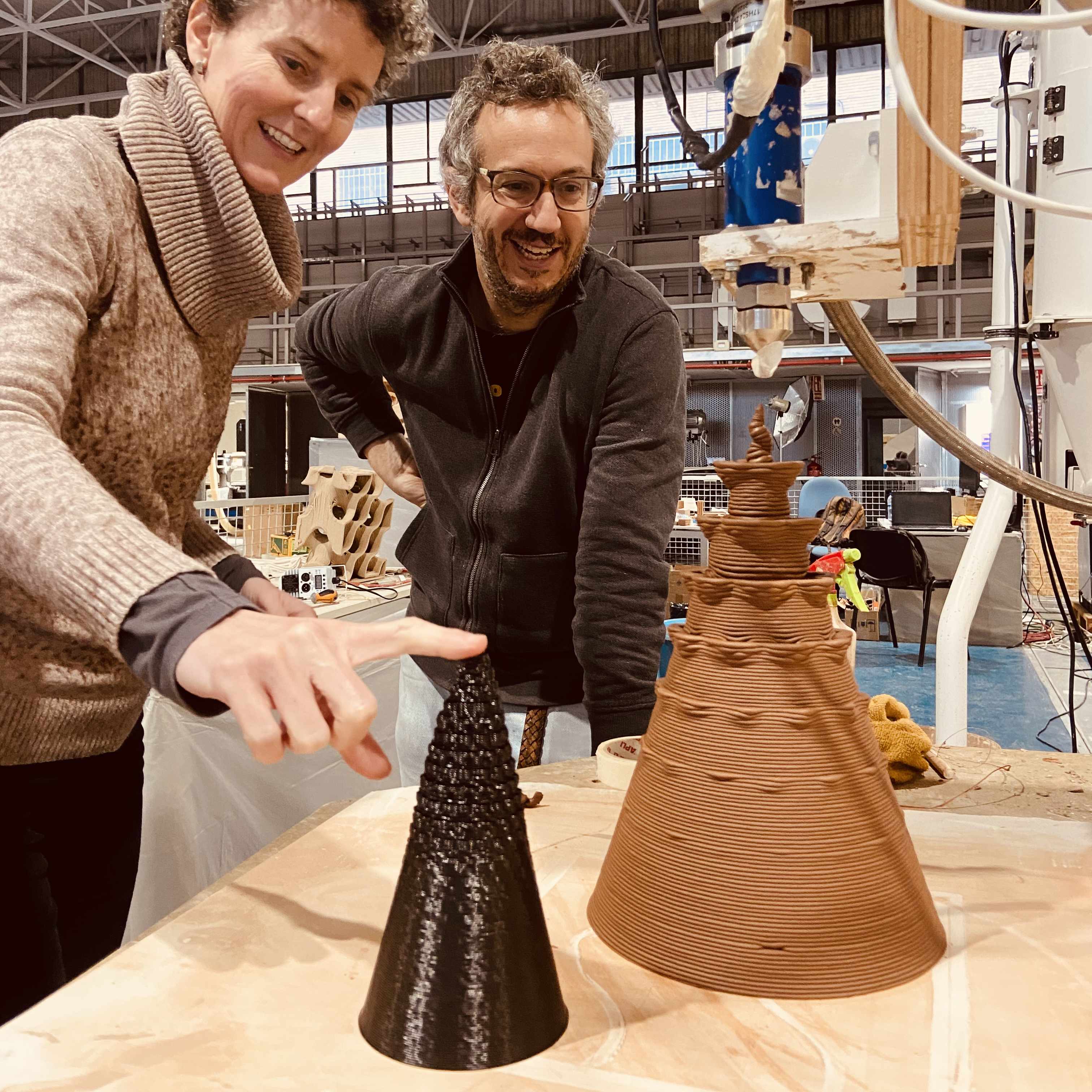
Literal! Porque Adriano está trabajando especialmente con la impresión digital en arcilla. Arcilla que puede combinarse con humus, logrando un material biodegradable. Pero claro, esto no es como fundir plástico.
Exacto. Las impresoras 3D trabajan normalmente con un filamento continuo de plástico que se funde. Pero cuando imprimimos con barro o humus, no hay filamento. Hay una masa húmeda que necesita otra lógica de impresión.
Por eso, Adriano comenzó a hackear impresoras económicas tipo Anycubic cambiando el extrusor térmico de plásticos por un sistema de aire comprimido con piezas fabricadas por él mismo… ¡y funcionó! Pero solo si la mezcla tiene la textura y la proporción justa.
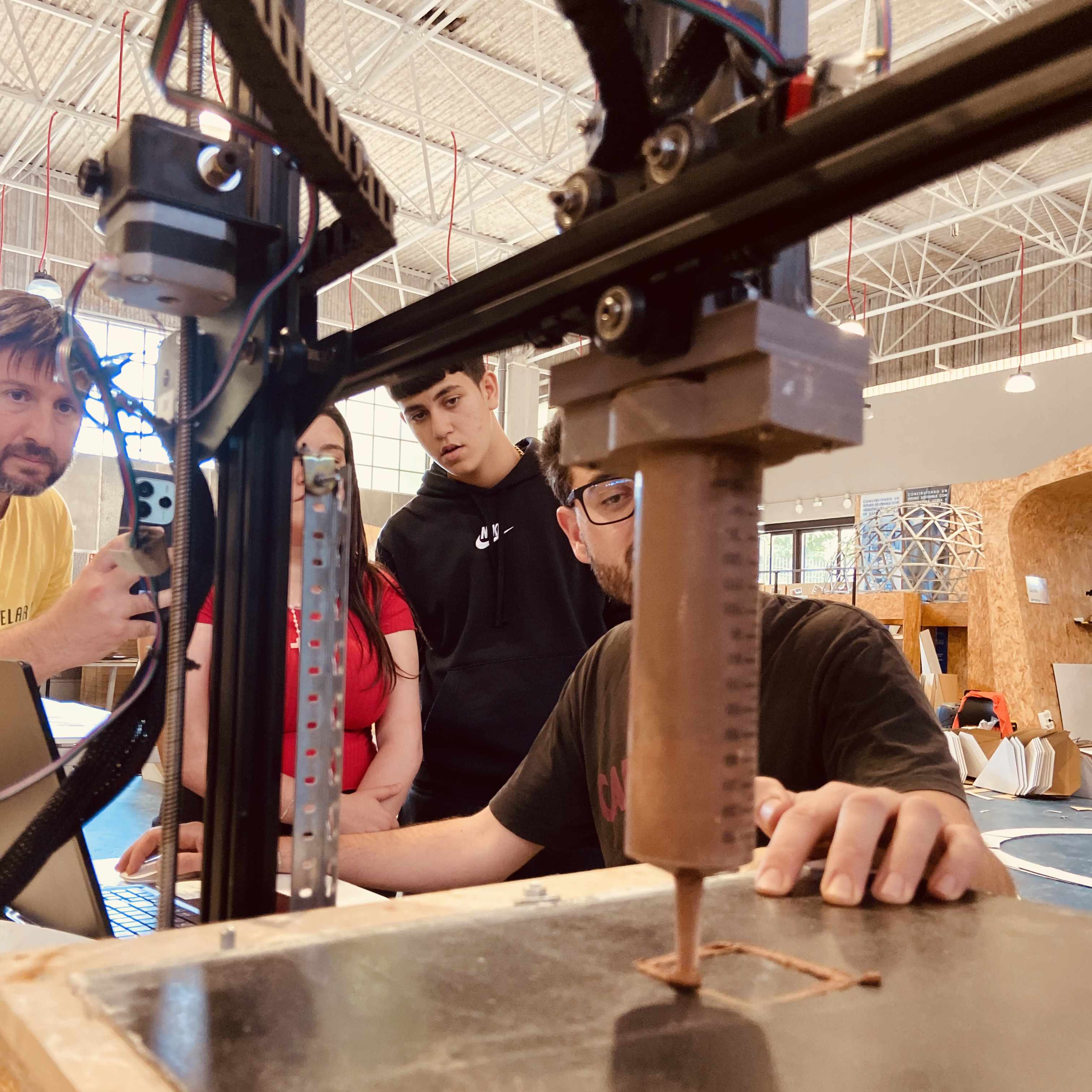
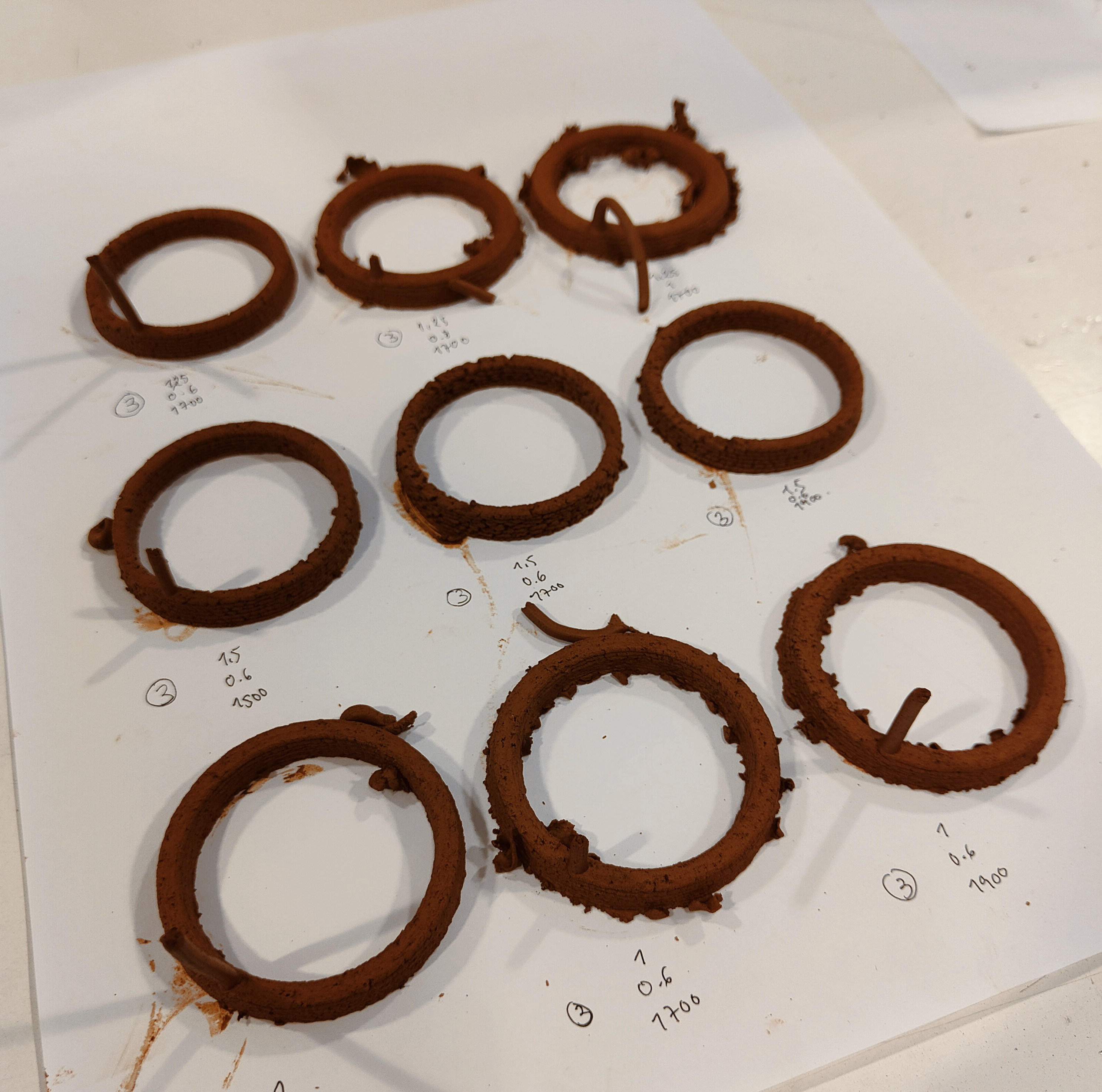
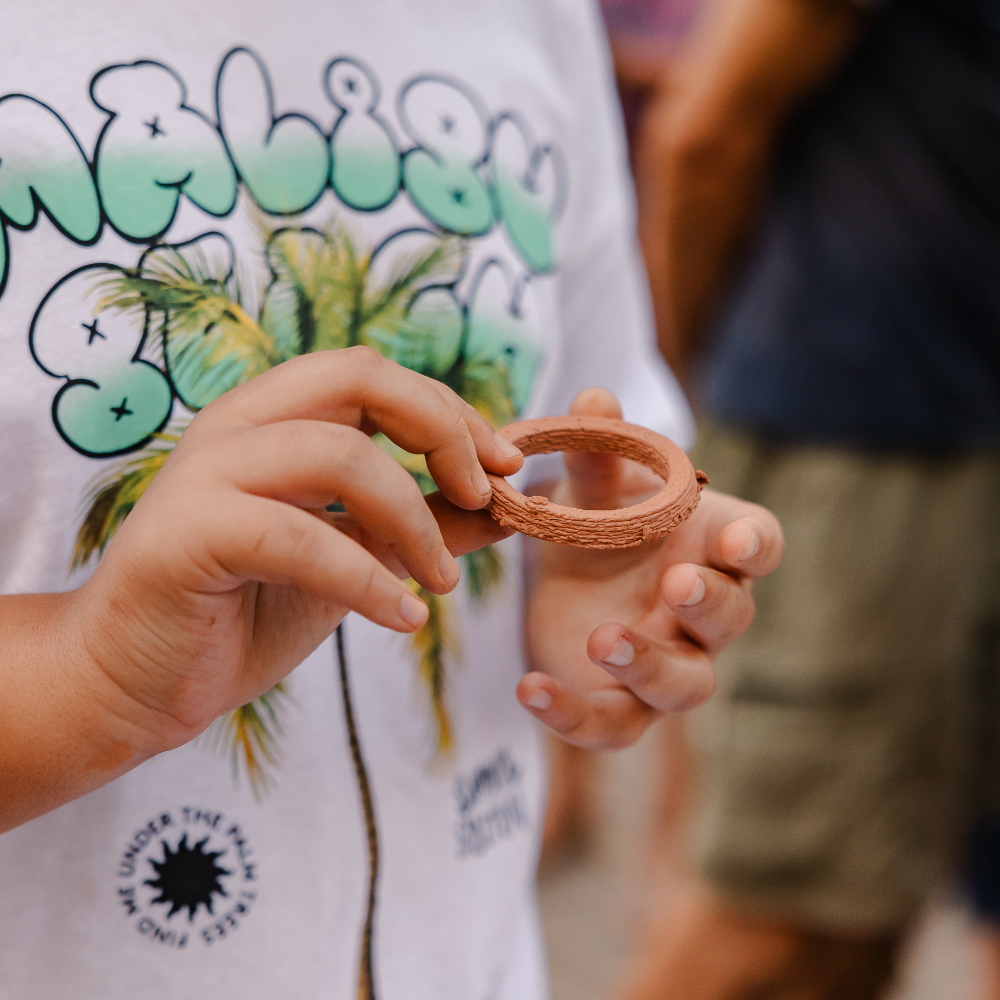
Así, podemos utilizar barro puro con un poco de agua para fabricar piezas de cerámica en 3D, por ejemplo una vermicompostera más fresca que las de plástico.
Si mezclamos humus y barro en proporción 1 a 9, también podemos hacer torres biodegradables para lombrices. Dispositivos que sirvan para transportar y albergar las lombrices en suelos frescos durante el verano. Y que conforme se vayan degradando, enriquezcan la tierra donde se depositan.
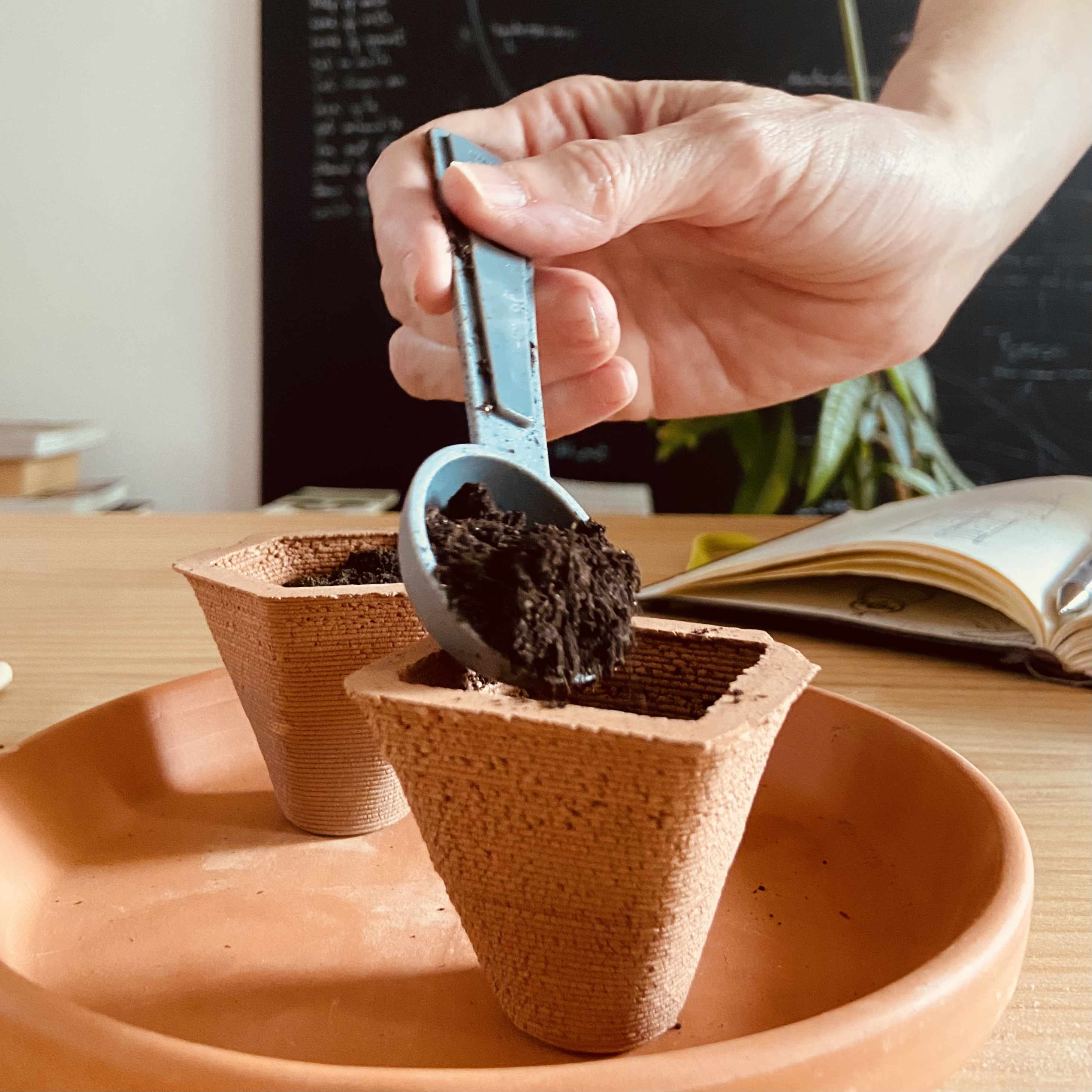
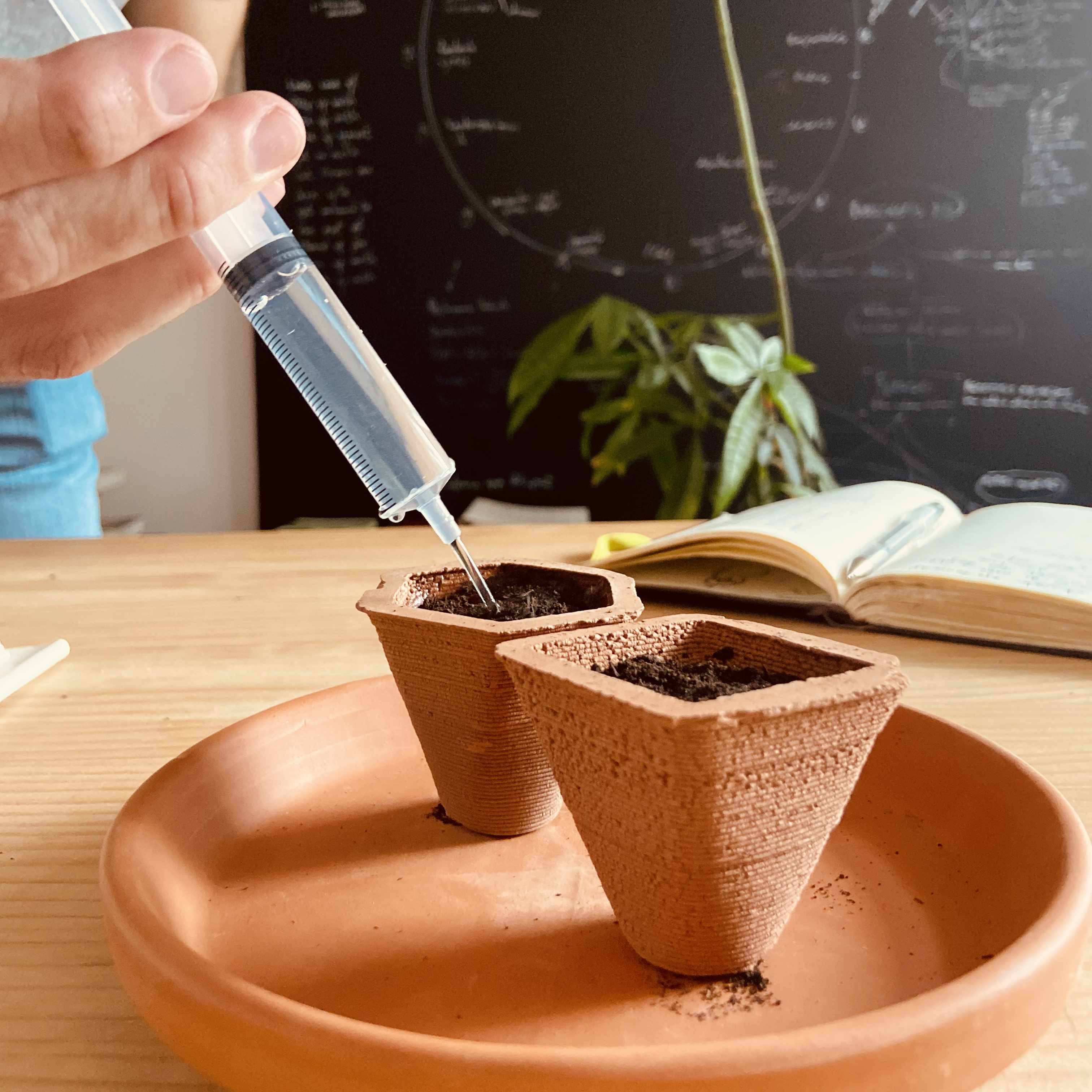
Si subimos la mezcla 2 a 8, podemos hacer pequeñas macetas compostables para semillar. Incluso subiendo la proporción 5 a 5, podemos fabricar bolas de siembra, conocidas como nendo-dango.
Todo pensado para que nada sobre y todo vuelva a la tierra, enriqueciéndola. Porque el humus no sólo nutre el suelo. También puede ayudarnos a regenerar formas de pensar, de crear y de vivir.
En los próximos episodios, te contaremos más sobre los artefactos que fabricamos con estos materiales.
***English version***
In this chapter we will tell you how they are helping us at the FabLab in Seville to rethink the humus that is left over as a construction material. But first of all, do you know what the FabLab is?
The Seville FabLab is a node of an international network that emerged with a powerful idea: to democratise manufacturing. That anyone, anywhere in the world, can design and manufacture almost anything locally... with accessible, networked tools.
In Seville, that vision began to take shape thanks to José Pérez de Lama, who promoted the first FabLab in an Andalusian public university together with Lolo Gutiérrez de Rueda and Juan Carlos Pérez. Since then, many people have enriched the project, such as José Buzón, José Laulhé and, more recently, Adriano Jiménez, who is taking it to the mud.
Literally! Because Adriano is working especially with digital printing on clay. Clay that can be combined with humus, achieving a biodegradable material. But of course, this is not like melting plastic.
Exactly. 3D printers normally work with a continuous plastic filament that is melted. But when we print with clay or humus, there is no filament. There is a wet mass that needs a different printing logic.
That's why Adriano started hacking cheap Anycubic-type printers by changing the thermal plastic extruder for a compressed air system with parts he made himself... and it worked! But only if the mixture has the right texture and ratio.
Over the past year, we have succeeded in using pure clay with water to make 3D ceramic pieces, for example a vermicomposter that is cooler than plastic ones.
We have also succeeded in mixing humus and clay in a 1:9 ratio to make biodegradable worm towers. Devices that can be used to transport and house earthworms in cool soil during the summer. And as they degrade, they enrich the soil where they are deposited.
We also managed to increase the mixture 2 to 8, to make small compostable pots for seedlings.
Even by increasing the proportion 5 to 5, we can make sowing balls, known as nendo-dango.
All designed so that nothing is left over and everything goes back into the soil, enriching it. Because humus not only nourishes the soil. It can also help us regenerate ways of thinking, creating and living.
In the next episodes, we will tell you more about the artefacts we are making with these materials.
 Powered by