9. Slow Food
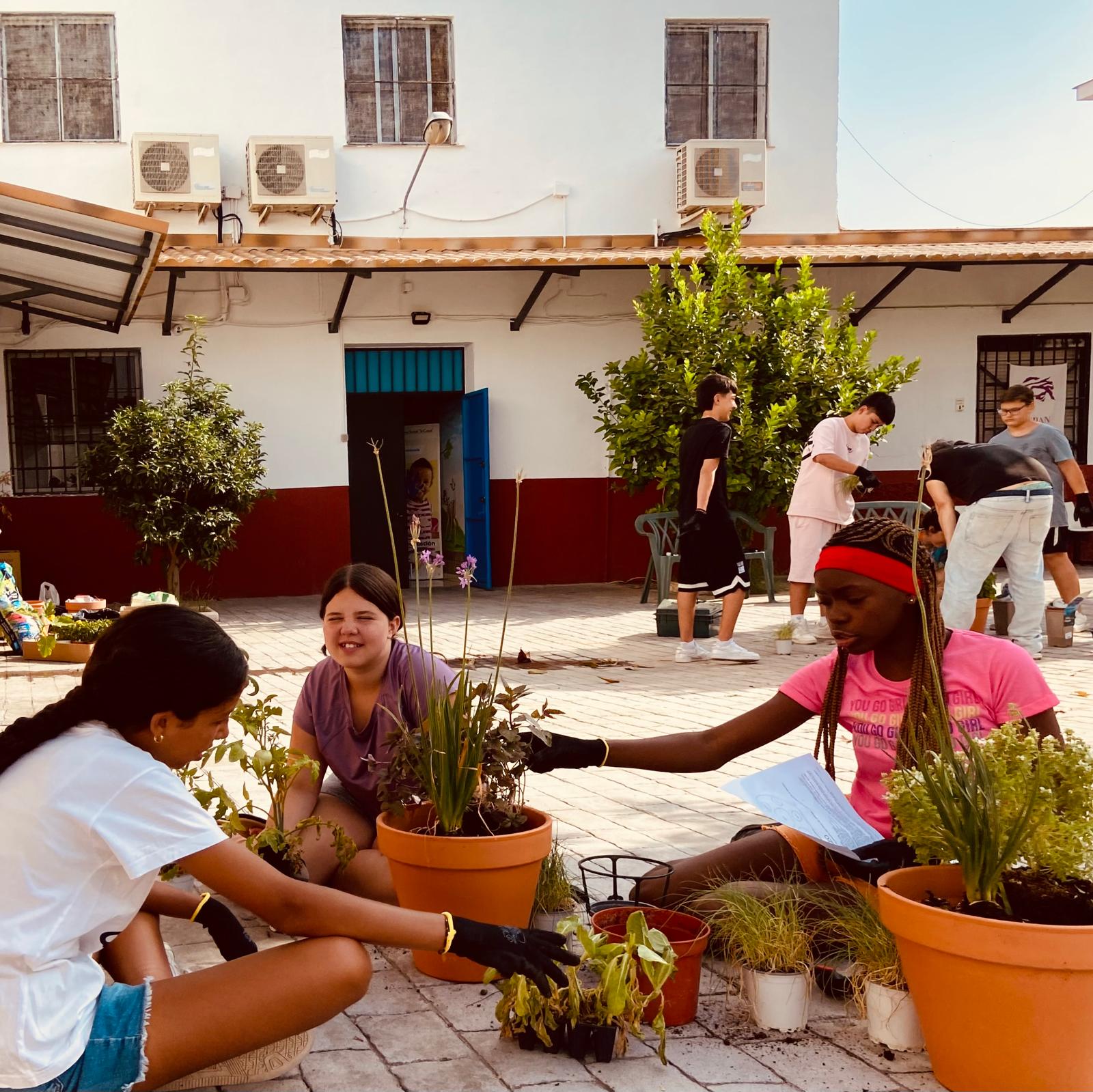
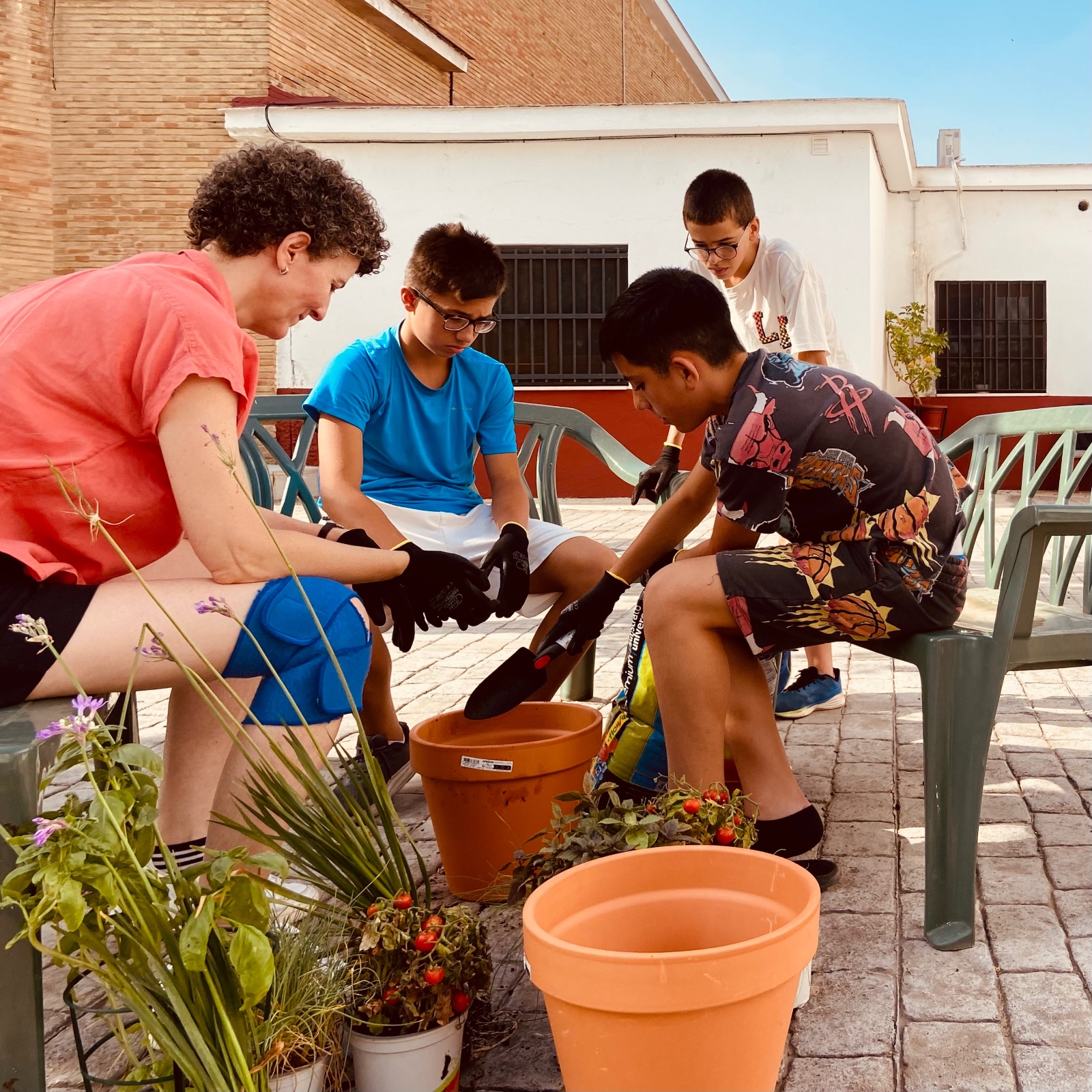
Ya sabemos aproximadamente cómo se organiza un huerto urbano sobre suelo y en este episodio vamos a concentrarnos en cómo podemos organizar un huerto urbano vertical en macetas.
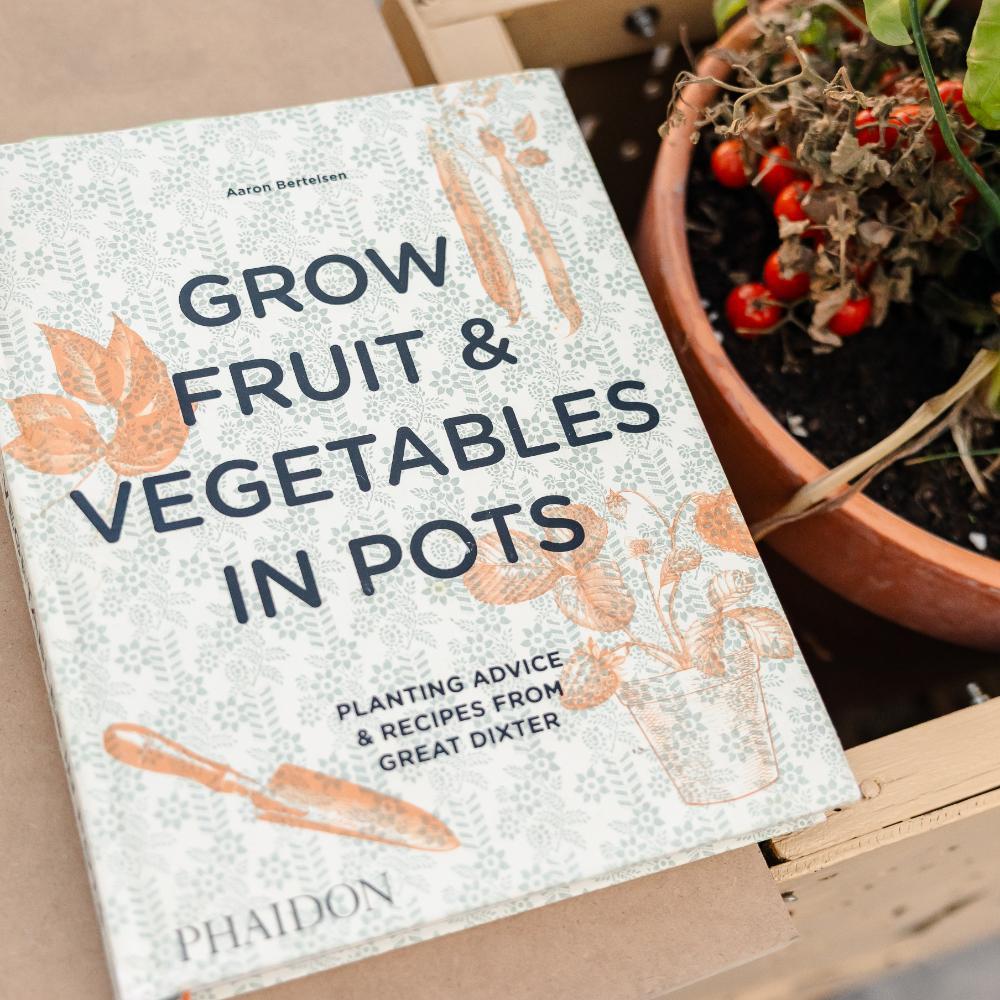
Cultivar hortalizas en macetas de 13-15 litros es totalmente viable si se seleccionan bien el sustrato y las especies oportunas. Incluso podrían combinarse diferentes especies, como hace nuestro gurú Aaron Bertelsen.
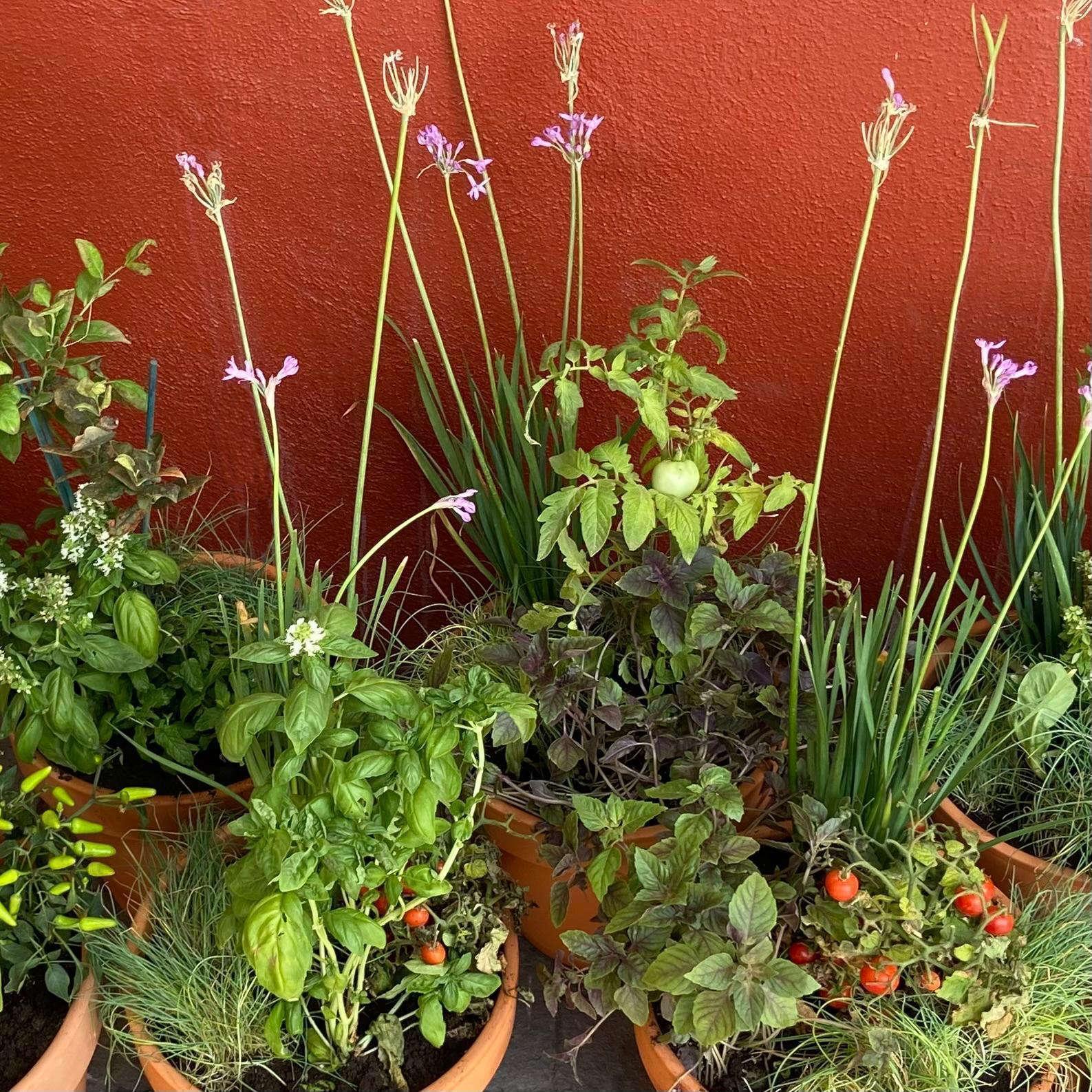
Efectivamente, si se combinan con maestría, podemos aprovechar las relaciones complementarias entre plantas (raíz, porte, ciclo) para generar pequeños ecosistemas beneficiosos.
Vamos a probar combinaciones utilizando criterios funcionales como producción o aprovechamiento del espacio y criterios ecológicos, atendiendo a la adaptación al clima sevillano o asociaciones útiles entre plantas. Por ejemplo, utilizando flores comestibles, podemos favorecer la presencia de polinizadores.
También podemos seguir criterios estéticos como colores, formas o texturas complementarias. De hecho, no hay que elegir un único criterio, sino que podemos aplicarlos todos, incluso alguno más.
¡Oh si! es hora de compartir el criterio estrella que hemos seguido en este proyecto: pensar las macetas como futuros platos exquisitos, cocinados muy lentamente apareciendo desde su simiente.
Parece una idea sencilla, pero no resulta tan fácil de aplicar. Para hacer eso tenemos que garantizar que las especies que combinen bien en el plato lo hagan también en la maceta. Que la arquitectura de sus raíces y los cuidados que necesitan se complementen, y encima, que se puedan plantar a la vez en Sevilla.
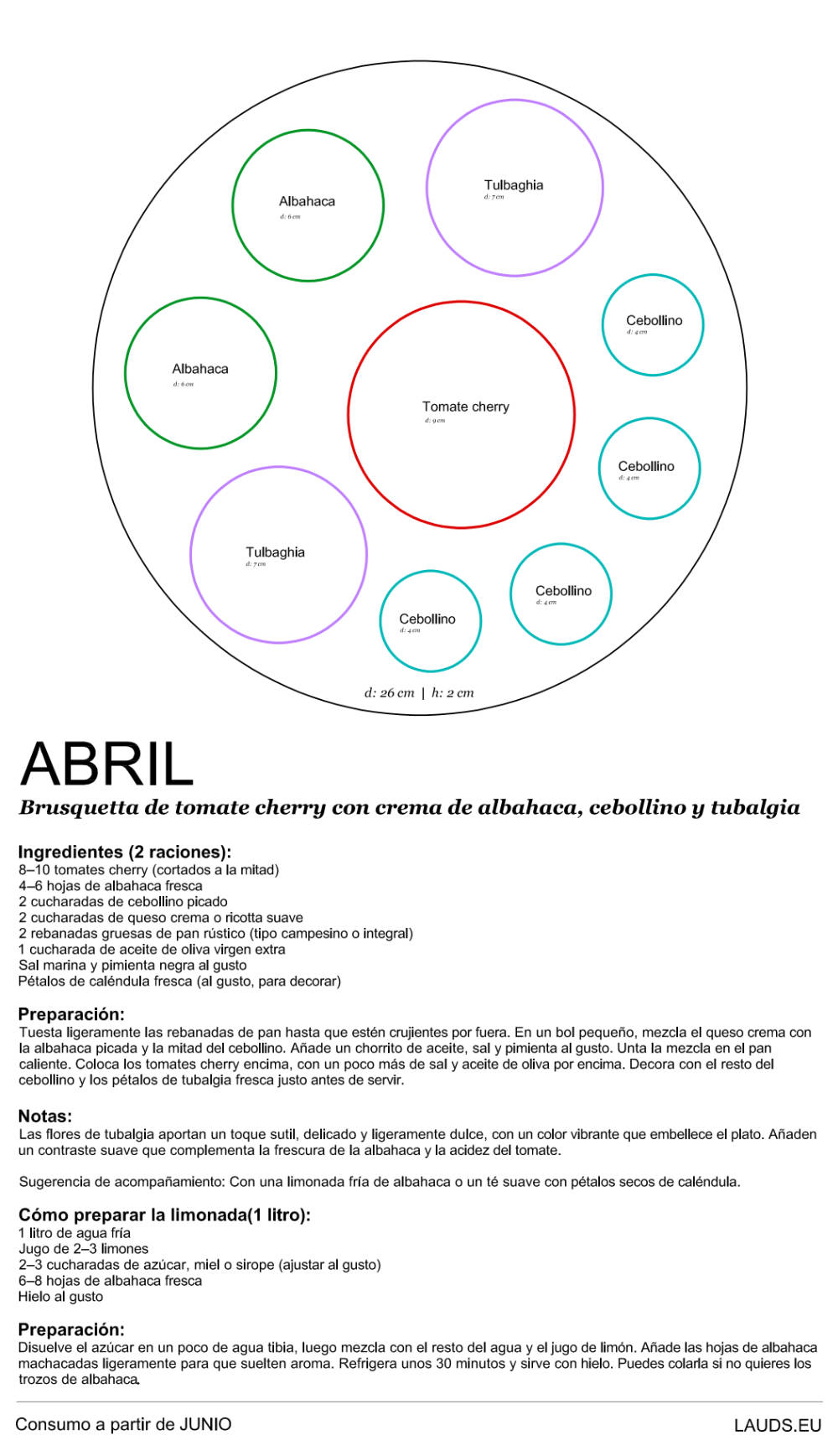
Por eso cada plato propuesto necesita un estudio específico del número de plantas que caben en cada maceta, las distancias que requieren o proporciones de suelo y humus que necesitan. Es por ello que para cada plato hemos impreso plantillas de semillado con barro que pueden utilizarse una y otra vez.
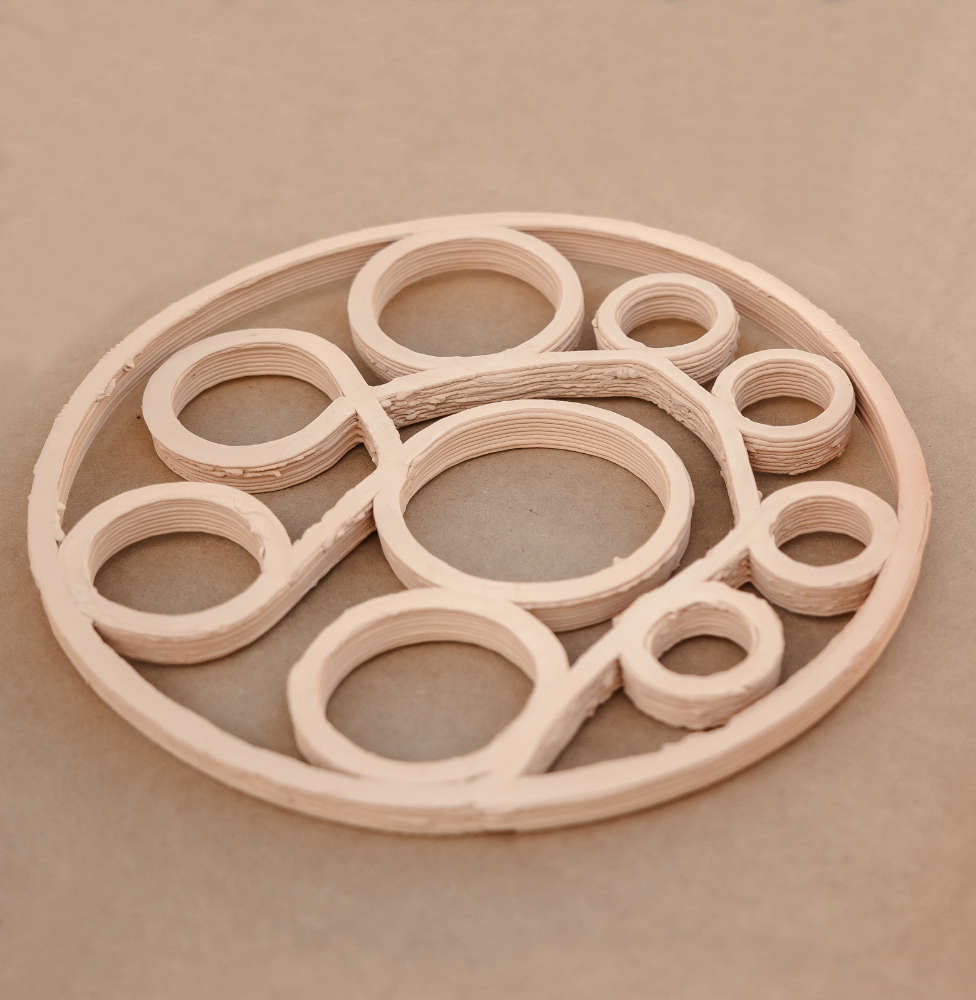
Se trata de patrones de siembra cuyo diseño embebe todos esos conocimientos y que permiten replicar en el tiempo platos variados. En nuestro caso hemos empezado por 6 muy diferentes que coinciden con la actividad de la AES Candelaria y explora los gustos de sus jóvenes pobladores.
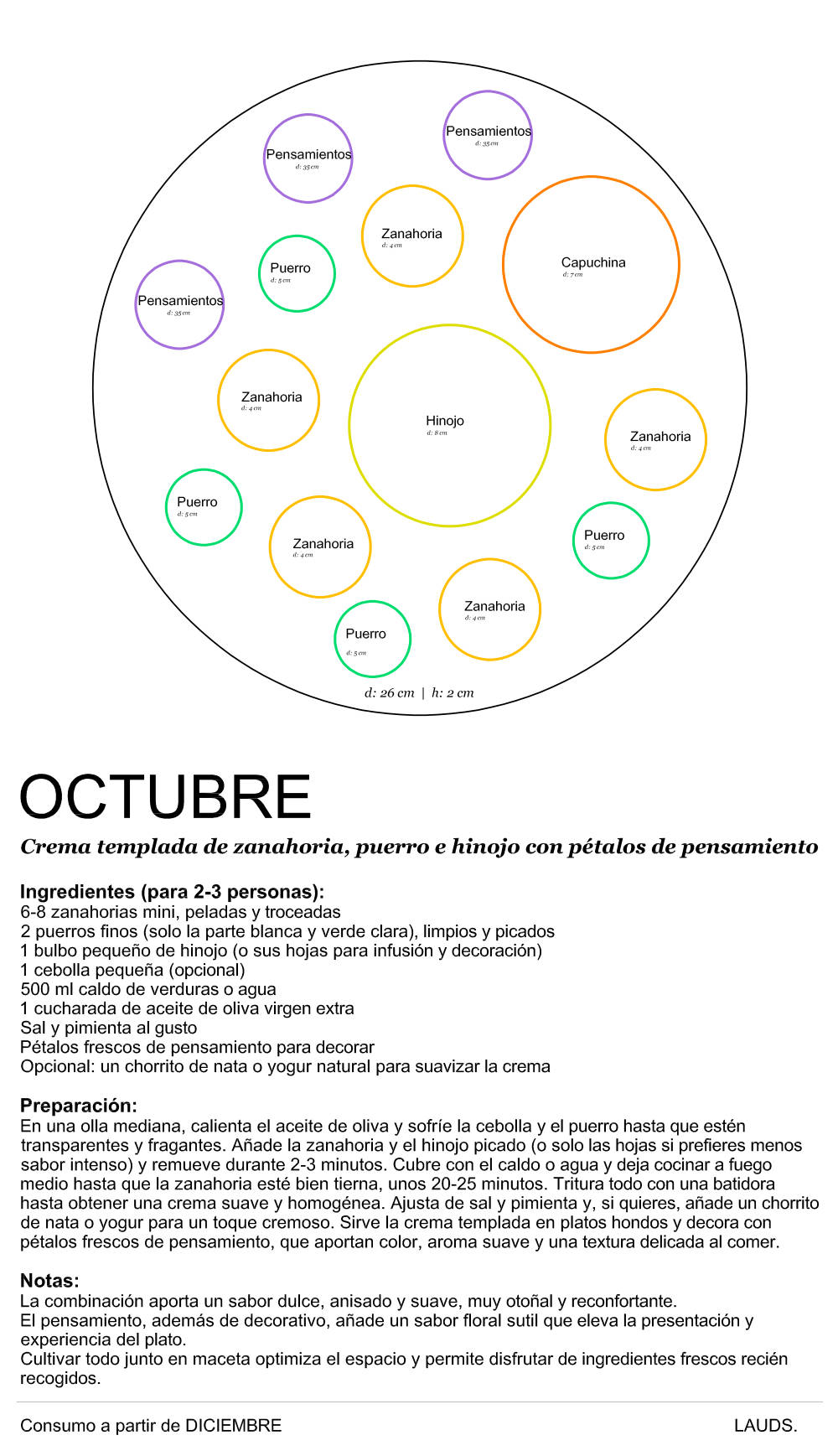
Así en octubre comenzaremos “sembrando” una crema templada de zanahoria, puerro e hinojo con pétalos de pensamiento que podríamos comer a partir de diciembre.
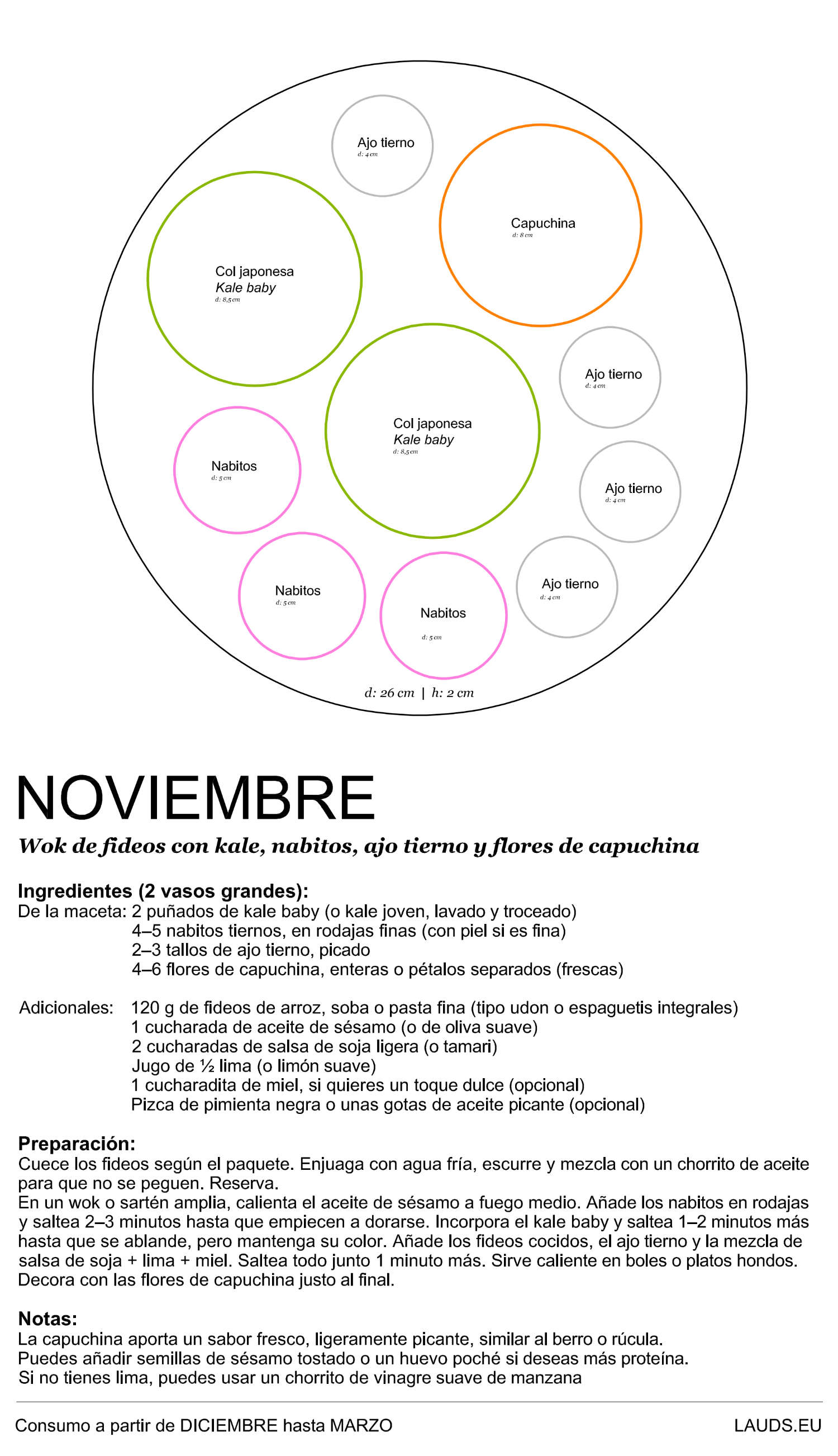
En noviembre comenzaremos a cultivar un wok de kales, nabitos acompañados de ajo tierno con flores de capuchina y fideos chinos que podríamos tomar a partir de diciembre hasta marzo.
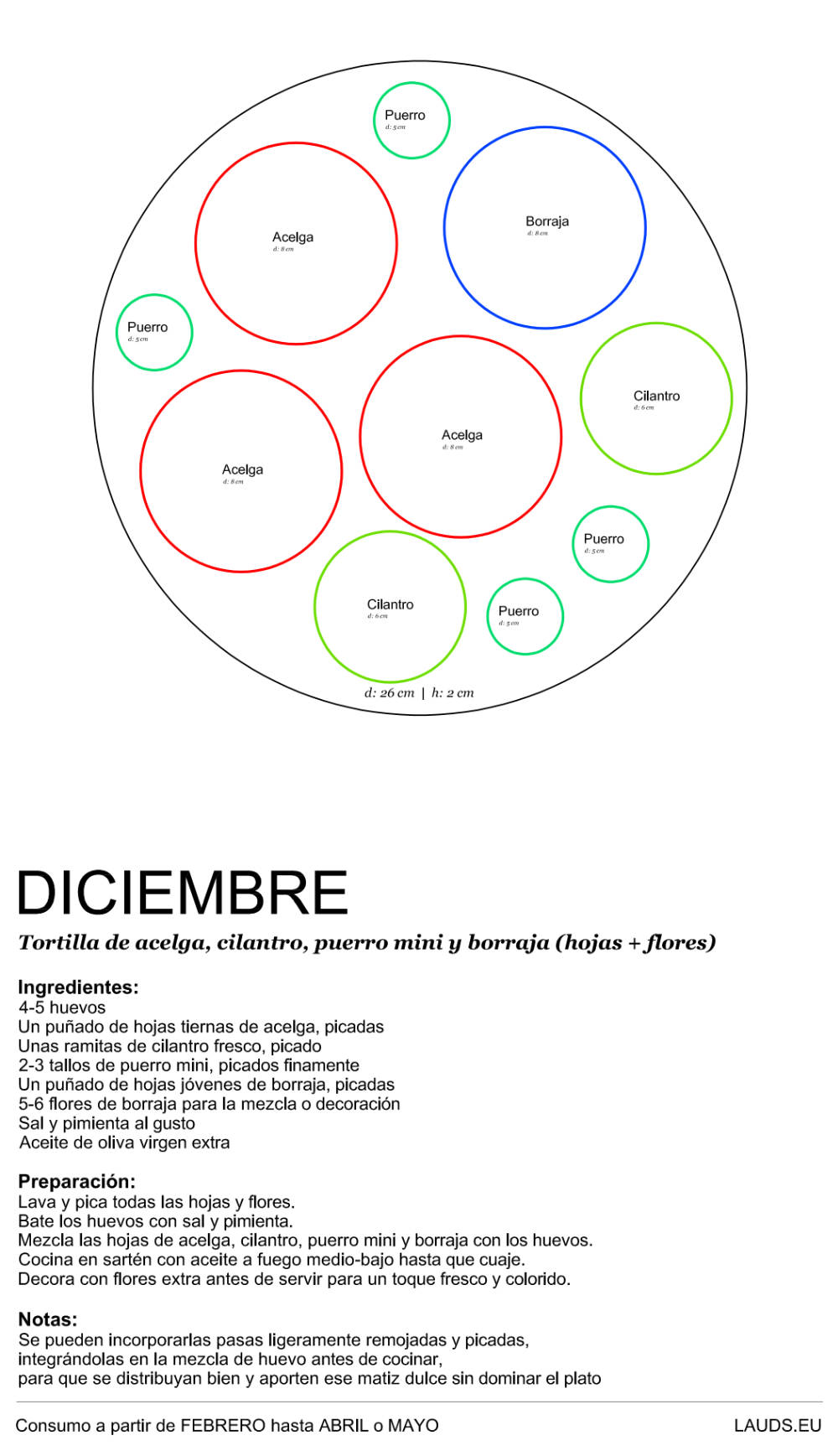
En diciembre llegará el turno de la tortilla de acelga con cilantro, puerros y flores de borraja que podremos tomar a partir de febrero, hasta abril o mayo.
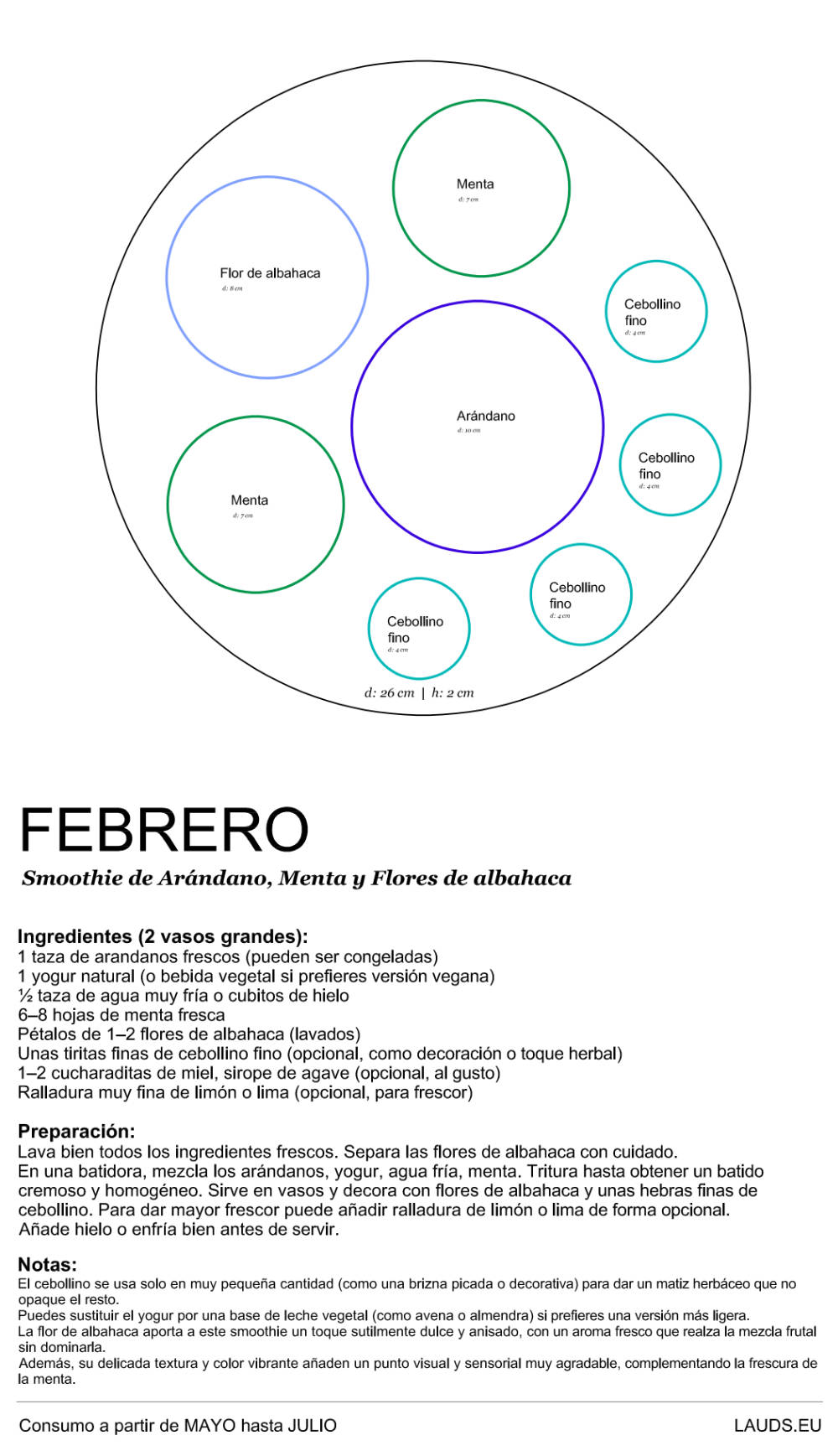
En enero descansamos , pero en febrero sembraremos un fresco smoothie de arándano con menta y toque de cebollino con flores de albahaca, que podremos tomar desde mayo a julio.
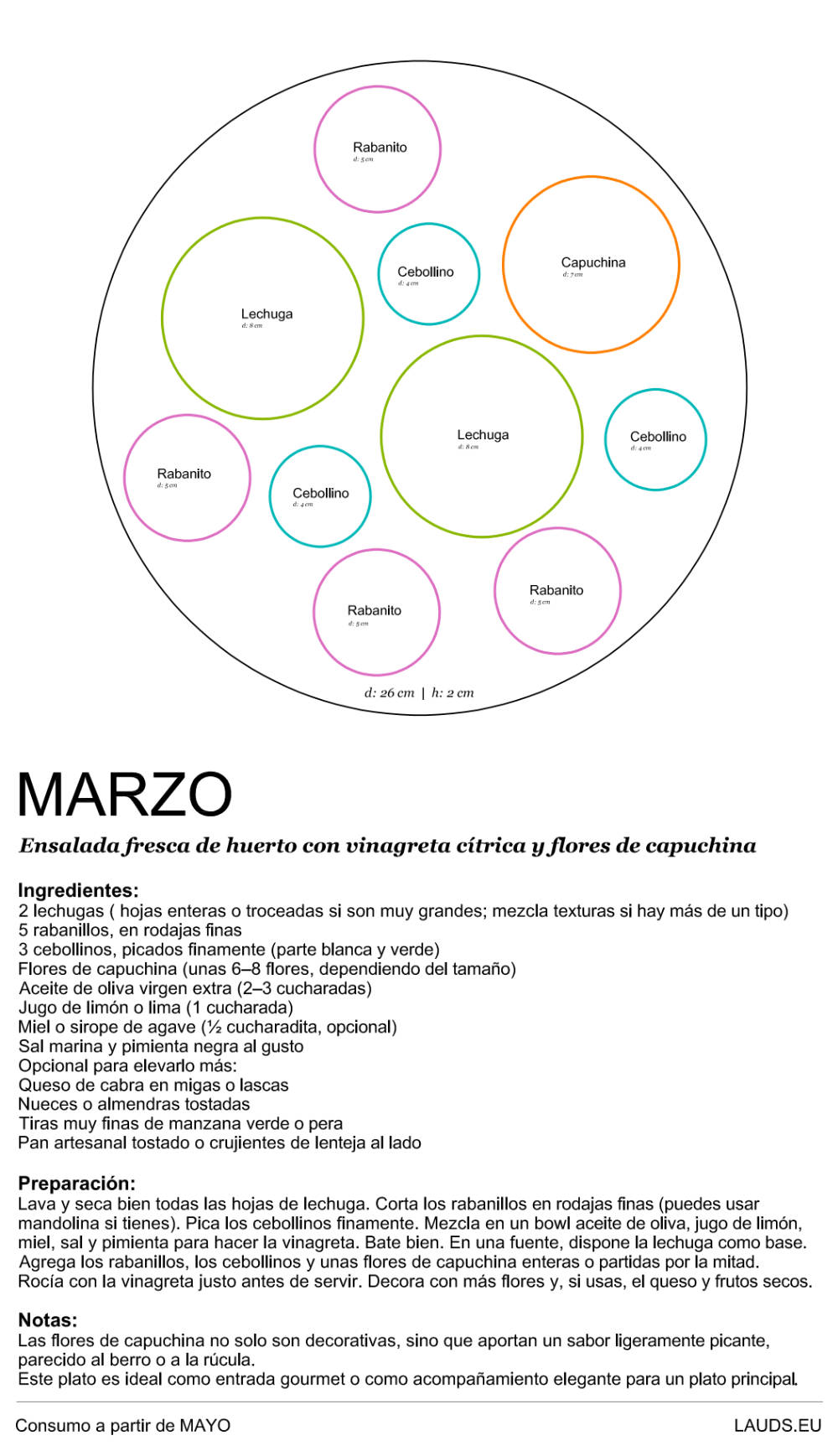
En marzo, la clásica ensalada fresca de lechugas con vinagreta cítrica y flores de capuchina, que podremos tomar a partir de mayo.
Y en abril concluimos por ahora, con una bruschetta con tomate cherry acompañada de crema de albahaca y cebollino y toques de flores de tulbaghia, que podremos saborear a partir de junio, o julio.
Y esto es solo el principio, porque podemos invitar a otros cocineros a que diseñen nuevos jardines de slow food.
.jpeg)
***English version***
We already know approximately how to organise an urban vegetable garden on soil... But in this episode we are going to concentrate on how to organise a vertical urban vegetable garden in pots... if we can?
Of course! Growing vegetables in pots larger than 10 litres is totally feasible if the substrate and species are well selected. You could even combine different species, as our guru Aaron Bertelsen does.
Indeed, if combined smartly, we can take advantage of the complementary relationships of plants to generate small beneficial ecosystems.
For example, we can imagine combinations using functional criteria such as production or use of space.
Or by using ecological criteria, such as adaptation to the Sevillian climate or useful associations between plants. For example, by using edible flowers, we can encourage the presence of pollinators.
We can also follow aesthetic criteria such as complementary colours, shapes or textures. In fact, we don't have to choose a single criterion, but we can combine them all, even some more.
Oh yes! It's time to share the star criterion we have pursued in this project: to think of the pots as future exquisite dishes... dishes prepared veryyyyy slowly...
It sounds like a simple idea, but it is not so easy to implement. To do this we have to ensure that the species that combine well in the dish also combine well in the pot. That the architecture of their roots and the care they need complement each other, and on top of that, that they can be planted at the same time in Seville.
That is why each proposed dish requires a specific study of the number of plants that fit in each pot, the distances they require or the proportions of soil and humus they need. That is why for each dish we have printed clay planting templates that can be used over and over again.
These are sowing patterns whose design incorporates all this knowledge and which allow a variety of dishes to be replicated over time. We have started with 6 very different ones that coincide with the activity of the association and explore our tastes.
For example, in October we will start ‘sowing’ a warm cream of carrot, leek and fennel with pansy petals that we could eat from December onwards.
In November we will sow a wok of kales, turnips accompanied by tender garlic with nasturtium flowers, which we can eat from December to March accompanied by fine noodles.
In December it will be the turn of the chard omelette with coriander, leeks and borage flowers, which we will be able to eat from February until April or May.
In January we take a break, but in February we sow a fresh blueberry smoothie with mint and a touch of chives and basil flowers, which we can eat from May to July.
In March, we will sow the classic fresh lettuce salad with citrus vinaigrette and nasturtium flowers, which we can enjoy from May onwards
And in April we conclude -for now- with a cherry tomato bruschetta with basil and chive cream and hints of tulbaghia flowers, which we can enjoy from June, or July... and therefore today as well.
And this is just the beginning, because we can invite other chefs to design new slow food gardens for our gardens... and for our bodies.
And our bodies
And that's all for now... Shall we try them?
 Powered by